
CCTV Laws UK 2026: What Homeowners and Businesses Need to Know
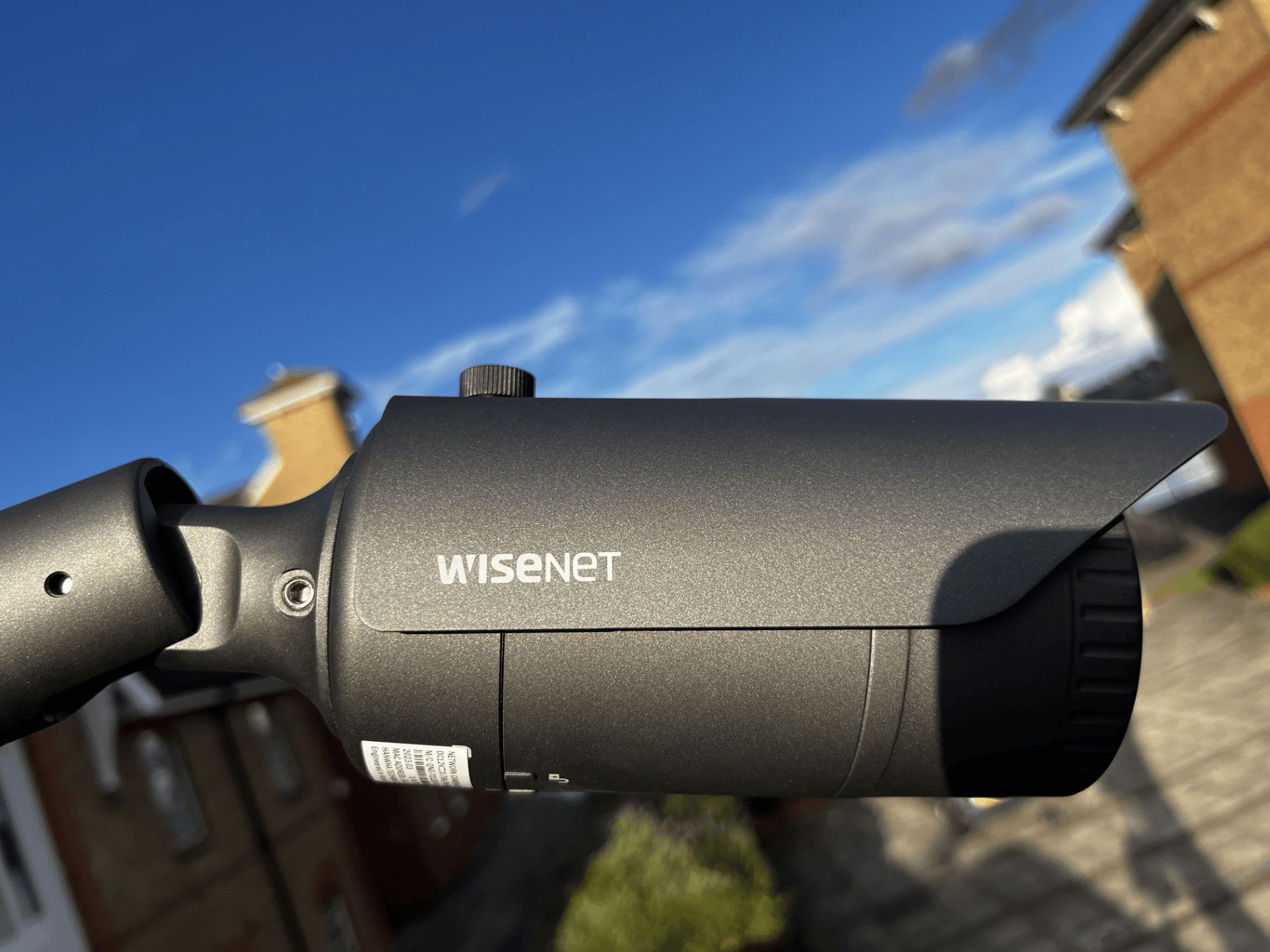
CCTV cameras are everywhere in the UK. On shops, offices, car parks, and increasingly on the front of people's houses. Most people who install them have good intentions. But a growing number of homeowners are falling on the wrong side of the law without realising it, and some are facing complaints from neighbours, letters from solicitors, or even action from the Information Commissioner's Office.
Whether you are thinking about installing cameras on your home, you already have them, or you are on the receiving end of a neighbour's camera that seems to be pointed directly at your front door, this guide explains exactly where the law stands in 2026.
The Basic Rule: Where Your Camera Points Matters More Than Where It Is Mounted
The most common misunderstanding about CCTV law in the UK is this: people assume that because the camera is on their house, it is their camera, and they can do what they like with it.
That is not how the law works.
Under the UK General Data Protection Regulation (UK GDPR) and the Data Protection Act 2018, what matters is not where the camera is physically located, but what it captures. The moment a domestic CCTV camera records images of people or property beyond the boundary of your own home, you become subject to data protection law.
That includes:
- A neighbour's front garden or driveway
- The street or pavement outside your home
- Shared communal areas in a block of flats
- Any part of your neighbour's home that is visible in the frame
If your camera captures any of those things, the ICO (Information Commissioner's Office) treats you in exactly the same way it would treat a business operating CCTV. That means legal obligations, data retention rules, and the right for anyone captured on your footage to request a copy of it.
What Happens If Your Neighbour's Camera Is Pointed at Your House?
This is one of the most searched questions in the UK when it comes to home security, and understandably so. Having a camera pointing at your front door or garden feels invasive, and many people are not sure whether they have any legal recourse.
The short answer is: yes, you do.
If your neighbour's CCTV system is capturing images of your property without a legitimate reason, they are potentially in breach of UK GDPR. You have the right to:
1. Submit a Subject Access Request (SAR)
You can formally ask your neighbour to show you any footage they hold in which you appear. They are legally required to respond within one month and provide that footage to you.
2. Object to the Recording
You have the right to object to your personal data being collected. If your neighbour cannot give a strong, legitimate reason to continue filming you, they should stop.
3. Complain to the ICO
If your neighbour ignores a Subject Access Request, refuses to address your concerns, or continues filming without justification, you can report them to the ICO. The ICO has the power to investigate, issue enforcement notices, order footage to be deleted, and in serious cases, issue fines.
4. Seek Legal Advice
In cases where a camera is being used to deliberately harass or monitor someone, this can cross into harassment law and potentially criminal behaviour. A solicitor can advise you on your options.
It is worth noting that most neighbour disputes involving CCTV are not malicious. Usually the person installed their camera without thinking about the angle, and a polite conversation resolves it. But knowing your legal rights means you are not powerless if that conversation does not go well.
The Household Exemption: What It Actually Covers
You may have heard that home CCTV is exempt from data protection law. This is partly true, but the exemption is much narrower than most people think.
The household exemption applies only when your cameras are used purely for personal or household activity, and only capture images within the boundary of your own private property. A camera covering your back garden that never catches a neighbour's fence or a passerby on the street is covered by this exemption.
The moment your camera captures anything outside that boundary, the exemption no longer applies. This catches a lot of people out because modern wide-angle cameras can cover a surprisingly large area, and what looks like it is pointing at your front garden might actually be pulling in a chunk of the pavement, your neighbour's car, or even their front window.
CCTV Signage: When Is It Legally Required?
For residential properties, signage is not legally required as long as your cameras stay strictly within your own boundary and the household exemption applies.
However, if your cameras capture any area beyond your property, you are operating under the same rules as a business. That means you must display clear, visible signage that tells people:
- That CCTV is in operation
- The purpose of the surveillance
- Who is responsible for the system and how to contact them
For businesses, CCTV signage is always required. There are no exceptions. Signs must be placed before people enter the area being monitored, not after. They need to be easy to read, clearly visible, and contain the relevant details above.
Failing to display proper signage is one of the most common CCTV compliance failures the ICO sees, and it is entirely avoidable with a properly planned and installed system.
Audio Recording: A Completely Different Legal Issue
This one catches people off guard more than almost anything else in CCTV law.
Recording video of people in public spaces or beyond your boundary is a data protection issue. Recording audio is something else entirely. Recording private conversations without the knowledge or consent of the people involved can be a criminal offence under the Regulation of Investigatory Powers Act 2000 (RIPA).
Some CCTV cameras come with built-in microphones, and many people do not realise they are recording audio as well as video. If your system is capturing audio of conversations happening outside your property, in a shared space, or on a public street, you could be breaking the law regardless of whether your video coverage is compliant.
If your camera has an audio function, the safest approach is to disable it unless you have a clear, documented reason for using it and you have taken proper legal advice.
What Businesses Need to Know About CCTV Law in 2026
For commercial premises, the rules are stricter and more clearly defined. Here is what every business using CCTV needs to have in place:
A written CCTV policy. This documents why you use CCTV, what the footage is used for, who has access to it, and how long it is retained.
A data retention schedule. The ICO recommends that businesses do not keep footage longer than necessary. For most purposes, 28 to 31 days is standard. Some businesses retain footage for longer in specific circumstances, but this needs to be justified and documented.
Visible signage. As covered above, signage is not optional for businesses. It needs to be in place before people enter the monitored area.
A process for Subject Access Requests. Employees, customers, and visitors all have the right to request footage in which they appear. You need a clear, documented process for handling these requests and a one-month deadline for responding.
Data Protection Impact Assessment (DPIA) for high-risk surveillance. If you are using CCTV in a way that could be considered high-risk, such as monitoring employees closely, using facial recognition, or operating across multiple sites, you may need to carry out a formal DPIA before you start.
Businesses that ignore these requirements are not just at risk of ICO action. If an employee or customer makes a complaint and you cannot demonstrate compliance, the consequences can include significant fines and reputational damage.
Does CCTV Footage Have to Be Shared With the Police?
This comes up regularly, particularly after a break-in or incident on a nearby property. The police can request CCTV footage, but they cannot demand it without a warrant in most cases. You are generally not legally obliged to hand over footage unless a court order or warrant requires it.
That said, most businesses and homeowners choose to cooperate with police requests voluntarily, which is the sensible approach in the vast majority of situations.
If you receive a formal request for footage, note that handing it over does not remove your data protection obligations. You should log the request, what was provided, and to whom.
How a Professional Installation Helps You Stay on the Right Side of the Law
One of the biggest advantages of having CCTV installed by a professional security company is that a good installer will consider the legal angle as part of the job, not as an afterthought.
A professional site survey takes into account not just where coverage is needed, but where cameras should not point. Getting the angles right at the installation stage avoids months of arguments with neighbours and the risk of a complaint to the ICO.
A properly installed system also comes with documentation, which matters if you ever need to demonstrate to the ICO or to a solicitor that your system is compliant. Amateur self-installed setups often have no documentation whatsoever.
If you are thinking about the cost of getting this done properly, our guide to how much professional CCTV installation costs in the UK breaks down the pricing honestly so you know what to expect before you speak to anyone.
And if you currently rely on a wireless camera system such as Ring or Arlo, it is worth reading about why wireless cameras have a security vulnerability most people do not know about before you make any decisions.
Quick Summary: UK CCTV Law in 2026
- Cameras on your home are fine as long as they only capture your own property
- The moment they capture a neighbour's property, the street, or shared spaces, UK GDPR applies
- You must display signage if your cameras go beyond your boundary, or if you are a business
- Neighbours have the right to a Subject Access Request and the right to object to being filmed
- Audio recording is a separate and more serious legal issue
- Businesses need a written CCTV policy, a retention schedule, and a process for SAR requests
- A professional installation protects you legally as well as physically
Frequently Asked Questions
Can my neighbour point CCTV at my house?
Not without consequences. If their camera captures your property, they become subject to UK GDPR and the Data Protection Act 2018. You have the right to submit a Subject Access Request, object to the recording, and complain to the ICO if they do not comply.
Do I need planning permission for CCTV in the UK?
In most cases, no. Standard domestic and commercial CCTV does not require planning permission. Listed buildings and some conservation areas may be exceptions. Your installer should flag this during the site survey.
Is CCTV footage covered by GDPR in the UK?
Yes. CCTV footage is classified as personal data under UK GDPR whenever it captures identifiable individuals. This applies to businesses without exception and to homeowners whose cameras capture areas beyond their own property.
How long can CCTV footage be kept?
For businesses, the ICO recommends keeping footage only as long as necessary. Standard practice is 28 to 31 days on a rolling basis. Keeping footage indefinitely without justification is a breach of data protection law.
Do I need CCTV signs at my business?
Yes, always. Signage must be visible before people enter the monitored area and must include the purpose of the CCTV and contact details for the responsible party.
Can I record audio on my CCTV?
Recording audio of private conversations without consent can be a criminal offence under UK law. If your camera has a microphone, seek legal advice before leaving audio recording enabled.
Further reading:
Slam Systems installs professional CCTV systems for homes and businesses across London and the surrounding areas. Every install includes a free site survey to ensure cameras are positioned for maximum coverage while keeping you fully compliant with UK law. Visit www.slamsystems.co.uk or call 020 3302 6838 to book yours.